


Germany - Grupo E
Germany đ©đȘâïž: the reset that became a stampede
A qualifying campaign that started with a bruise in Bratislava and ended with a six-goal statement in Leipzig.
Introduction
There are qualifiers that feel like paperwork, and others that feel like a story with chapters, mood swings, and a final scene that rewrites the first page. Germanyâs road through UEFA Group A was the second kind: a campaign that opened with a cold shower, then tightened its grip match by match until it looked less like qualification and more like an announcement.
The opening night set the tone by breaking it. On September 4, 2025, in Bratislava, Slovakia beat Germany 2â0 at TehelnĂ© pole. A punch before the rhythm even settled: Hancko (42') and Strelec (55') scored, Germany scored none, and the early table suddenly had a different shape. In a short format like this group, thereâs nowhere to hideâonly room to respond.
Germany responded quickly and loudly. On September 7, 2025, at RheinEnergieStadion in Cologne, they beat Northern Ireland 3â1, with Gnabry (7'), Amiri (69'), and Wirtz (72') turning the page after Price (34') had kept the visitors in contact. From there, the campaign began to read like a team learning itself in real time: less noise, more certainty.
Two more hinge moments sharpened that identity. The 4â0 vs Luxembourg on October 10, 2025 in Sinsheimâwith goals by Raum (12'), Kimmich (21' pen., 50'), and Gnabry (48')âwas a clean-sheet rehearsal of control. And then the closing scene, on November 17, 2025 in Leipzig, a 6â0 demolition of Slovakia: Woltemade (18'), Gnabry (29'), SanĂ© (36', 41'), Baku (67'), OuĂ©draogo (79'). The team that had been outmuscled and outscored in Bratislava ended the group by flipping the rivalry into a one-sided monologue.
The numbers underline the narrative without stealing its drama. Germany finished 1st in Group A with 15 points from 6 matches, a record of 5 wins and 1 loss, scoring 16 and conceding 3 for a +13 goal difference. That is not just qualification; itâs dominance with a visible scar at the beginningâoften the kind that keeps a squad honest.
The Road Through Qualifiers
UEFA qualification, in this group snapshot, was simple in structure and unforgiving in consequences: a small set of opponents, home-and-away rhythm, and a points race where a single bad night can hang around your neck for months. Group A became a four-team loop where every match mattered, and Germanyâs response to its lone defeat defined the entire arc.
If you want the campaign in one sentence, itâs this: Germany took the only thing that could have destabilized themâan early 0â2 loss awayâand turned it into a long stretch of certainty. Five straight wins followed. No draws. No prolonged wobble. They qualified by building separation, not by surviving chaos.
The table shows a clear hierarchy, but it also shows why Germany couldnât afford to drift. Slovakia ended on 12 points, and Northern Ireland on 9. In a group of six games, those are totals that can pressure a favorite if the favorite starts leaking draws. Germany avoided that trap completely: they never split points. They either won or, once, they paid in full.
A closer look also reveals an important texture: Germanyâs goal production wasnât just high; it spiked late. After the early setback, they collected wins of 3â1, 4â0, 1â0, 2â0, and 6â0. Thatâs a blend of narrow management (the 1â0 in Belfast) and ruthless finishing (the 6â0 in Leipzig). The balance matters: some teams can only win one way. Germany showed at least two.
The campaign also has a clear âproblem solvedâ marker: the opponent that beat Germany ended the group conceding six to them. That is tactical, psychological, and physical response all at once, even if we avoid guessing formations. Results like that usually come from adjusting detailsâtempo, risk management, and finishingâmore than from grand reinvention.
And thereâs a key individual storyline inside the collective one: Woltemade appears as a late-campaign striker of gravity. He scored the only goal in the 1â0 away win over Northern Ireland, then scored twice in Luxembourg (a 2â0 away win), then scored again in the 6â0 finale. In three matches, he produced 4 goals, and Germanyâs wins in those three were all clean sheets. That pairingâgoals plus defensive quietâoften signals a team that can win tournament games.
Finally, itâs worth noting how the group ended: Germany didnât just qualify; they finished by tightening every screw. In the last three matches they went 1â0, 2â0, 6â0, conceding zero. Thatâs a defensive streak and a finishing spike arriving togetherâan ideal combination for a national team preparing for a short, high-stakes tournament.
Table 1: Germany match log in qualifiers
| Date | Matchday | Opponent | Venue | Result | Goalscorers | Stadium |
|---|---|---|---|---|---|---|
| September 4, 2025 | Group A | Slovakia | Away | Loss 0â2 | Bratislava, TehelnĂ© pole | |
| September 7, 2025 | Group A | Northern Ireland | Home | Win 3â1 | Gnabry 7', Amiri 69', Wirtz 72' | Cologne, RheinEnergieStadion |
| October 10, 2025 | Group A | Luxembourg | Home | Win 4â0 | Raum 12', Kimmich 21' pen., Kimmich 50', Gnabry 48' | Sinsheim, Rhein-Neckar-Arena |
| October 13, 2025 | Group A | Northern Ireland | Away | Win 1â0 | Woltemade 31' | Belfast, Windsor Park |
| November 14, 2025 | Group A | Luxembourg | Away | Win 2â0 | Woltemade 49', Woltemade 69' | Luxembourg, Stadium de Luxemburgo |
| November 17, 2025 | Group A | Slovakia | Home | Win 6â0 | Woltemade 18', Gnabry 29', SanĂ© 36', SanĂ© 41', Baku 67', OuĂ©draogo 79' | Leipzig, Red Bull Arena |
Table 2: Standings table
| Pos | Team | Pts | Played | Wins | Draws | Losses | GF | GA | GD | Qualification |
|---|---|---|---|---|---|---|---|---|---|---|
| 1 | Germany | 15 | 6 | 5 | 0 | 1 | 16 | 3 | +13 | World Cup 2026 |
| 2 | Slovakia | 12 | 6 | 4 | 0 | 2 | 6 | 8 | â2 | play-offs |
| 3 | Northern Ireland | 9 | 6 | 3 | 0 | 3 | 7 | 6 | +1 | play-offs via Nations League |
| 4 | Luxembourg | 0 | 6 | 0 | 0 | 6 | 1 | 13 | â12 | Not qualified |
Germanyâs separation is easiest to see through contrasts. Slovakia finished with a negative goal difference (6 scored, 8 conceded) despite four winsâsuggesting tight margins and some heavy defeats. Germany, by contrast, combined volume with control: 16 for, 3 against. Northern Irelandâs +1 goal difference (7â6) hints at competitive games, but Germany still did the double over them, including a one-goal away win that often decides groups.
A few numeric splits bring the campaign into sharper focus:
- Clean sheets: 4 out of 6 (4â0 vs Luxembourg, 1â0 at Northern Ireland, 2â0 at Luxembourg, 6â0 vs Slovakia).
- One-goal wins: 1 (the 1â0 in Belfast), a useful sign of game management.
- Multi-goal wins: 4, meaning Germany frequently turned superiority into scoreboard distance.
- Goals conceded distribution: 3 total, with 2 conceded in the lone loss and 1 conceded in the 3â1 win, then none in the final three matches.
Home and away balance also reads well. Away from home: 2 wins (1â0, 2â0) and 1 loss (0â2). At home: three wins, scoring 13 goals and conceding 1 across those home matches. Thatâs not just comfort; itâs the ability to turn home games into decisive swings in goal differenceâoften the silent tie-breaker in UEFA groups.
How they play
Germanyâs âhowâ can be inferred from the scorelines: this was a team that learned to control risk first and then multiplied its goals as confidence grew. The campaign begins with a game where Germany conceded twice and scored none, then almost immediately shifts into a profile of clean sheets and second-half separation. That patternâearly correction, then stabilityâsuggests a team that prioritized structural control and then trusted its quality to surface.
The rhythm of Germanyâs matches is especially telling. In three of the wins, the opponent never scored. In two of those, Germany didnât just win; they did it with a calm, incremental scoreboard: 1â0 and 2â0 away from home. Those are results that usually come from mature game management: minimizing transitional chaos, keeping the match in a predictable zone, and accepting that one goal can be enough if the defensive performance is reliable.
At the same time, Germany were not a team trapped in low-scoring habits. Their home winsâ3â1, 4â0, 6â0âshow a separate gear: once the first goal lands, Germany can turn the game into a wave. The finale against Slovakia is the clearest evidence of that: six different scoring moments across the match, including a quick double by SanĂ© (36' and 41') that effectively ended the contest before halftime. Thatâs not just finishing; itâs the ability to punish a wobble.
Goal distribution offers another clue to the teamâs identity. The goals come from a mix: Gnabry appears early and often (scoring in the 3â1, 4â0, and 6â0), Kimmich provides midfield scoring including a penalty and an additional goal, and there are contributions from Raum, Wirtz, Amiri, SanĂ©, Baku, OuĂ©draogo. That breadth usually correlates with a team that creates chances from multiple lanes rather than living off one repeatable pattern.
Still, there is also a focal point emerging late: Woltemade as a finisher who turns control into certainty. His goals cluster in matches where Germany needed either patience (the 1â0 away) or professionalism (the 2â0 away), and he also scored in the 6â0 statement. In short: Germany had variety, but they also developed a reliable âcloser.â
Vulnerabilities are harder to pin down with a dataset that includes only one loss and no draws, but that single loss matters because itâs the only match where Germany conceded more than one. The Bratislava 0â2 implies a scenario where Germany were either caught in decisive moments or failed to recover after falling behind. And while they corrected it emphatically later, that first chapter remains the clearest warning: in a tournament, one match can look like that if details slipâespecially away from home, or in environments that demand early emotional control.
The defensive numbers underline the point: 3 conceded in 6, with 0 conceded in 4 matches. That is a strong baseline. But the âshapeâ of concessionâtwo goals in a single gameâalso hints that Germanyâs worst-case scenario is not death by a thousand cuts, but a short storm they must survive. The teamâs progress through the group suggests they learned to keep storms short.
The Group at the World Cup
Germany land in Group E with three scheduled games that tell a clear story of pacing: two matches where Germany are listed at home in the pairing format, followed by a third where they appear as the away team against a South American opponent. The sequence matters, not as a prophecy, but as a planning problem: start clean, build points, then handle the groupâs closing examination.
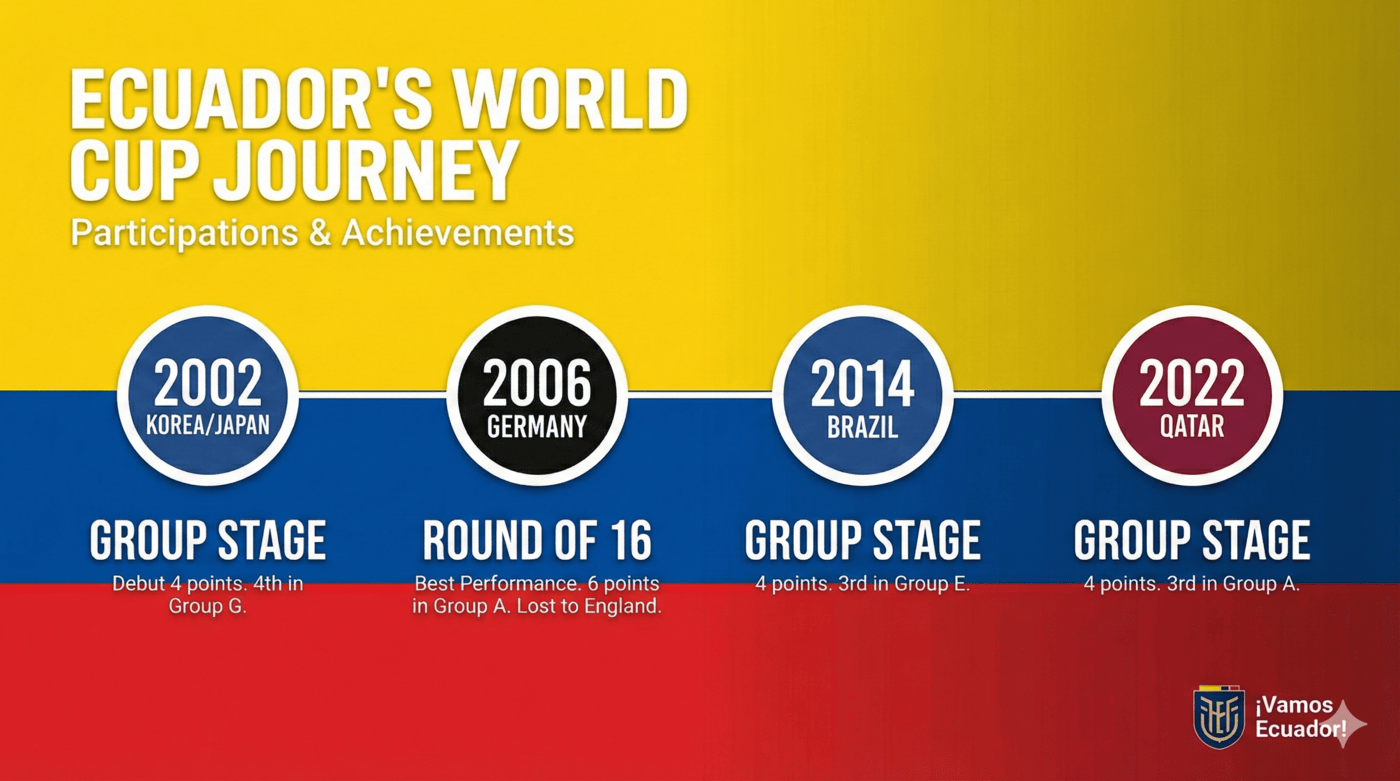
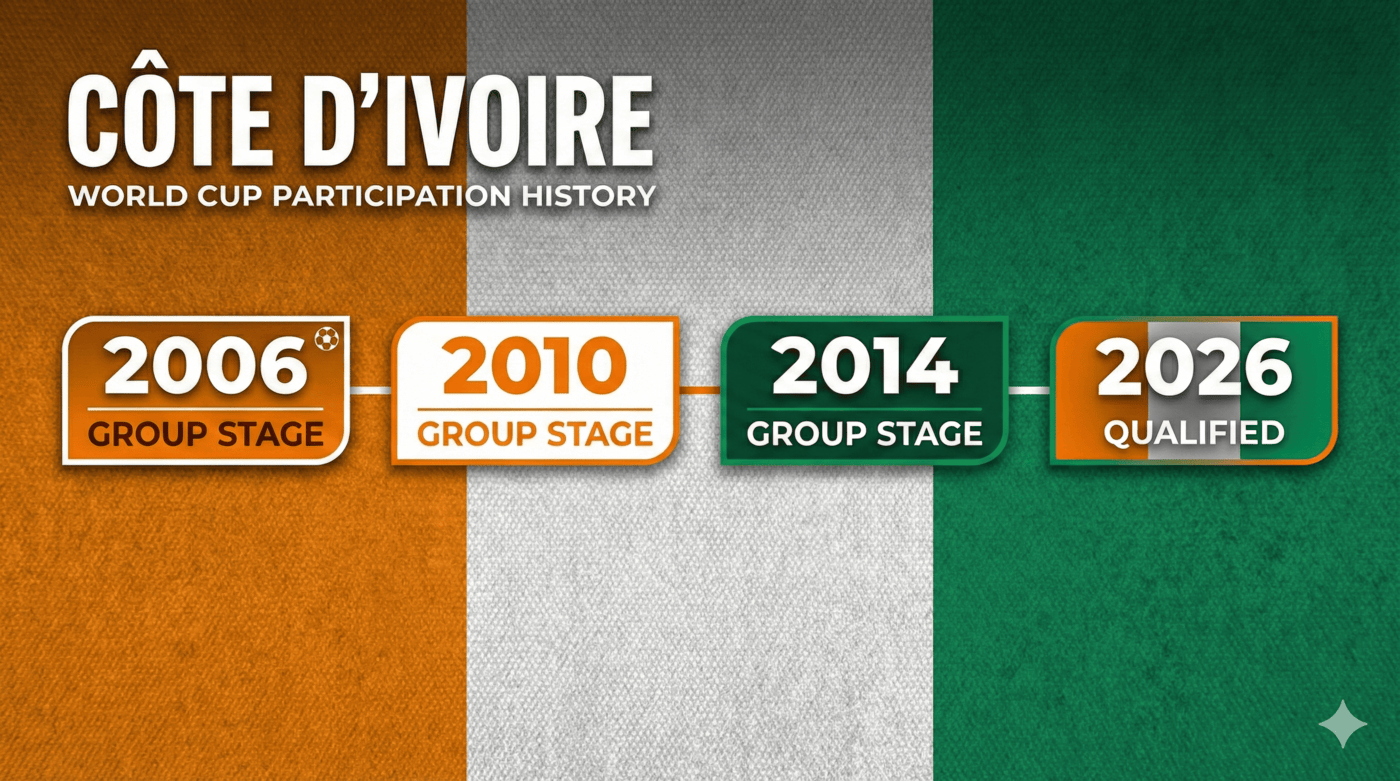
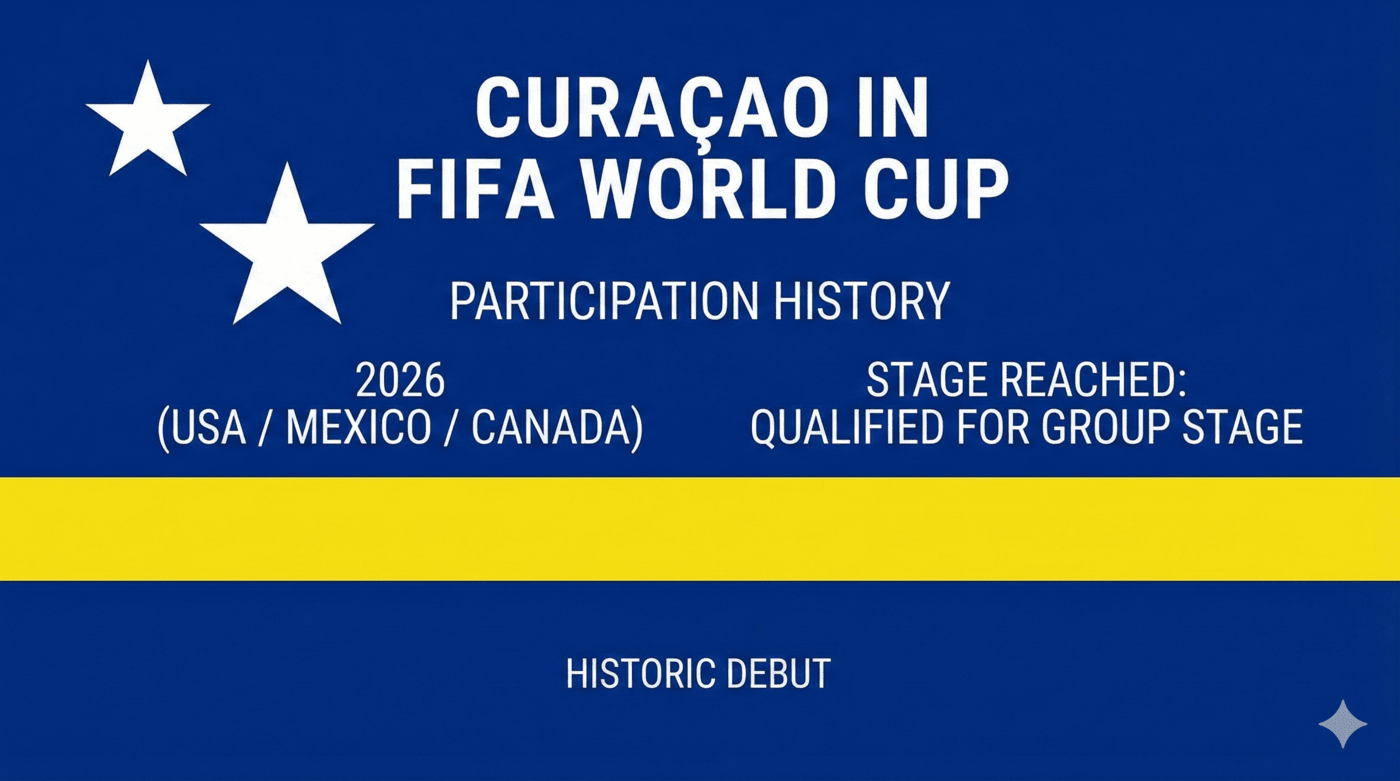
The opponents, as listed, are Curaçao, Ivory Coast, and Ecuador. Without importing external scouting, the dataset still allows a practical reading: Germany have two matches in North American venues before stepping into a final round game in the New York/New Jersey setting. Logistics are not the main factor in football, but in tournaments, rhythm and recovery always matter. Germanyâs qualifiers showed a team that can manage tempoâespecially in the two away clean sheetsâso the group stage may reward that habit.
There is also a subtle advantage in how Germanyâs qualifier results were built: they didnât rely on draws, which can be a crutch in group stages. The ability to win both tight matches (1â0) and open ones (6â0) gives Germany multiple scripts for three different opponents, without needing the match to feel one specific way.
At the same time, the group schedule encourages a disciplined start. Germanyâs only loss in qualifiers came in the first match of the groupâan early reminder that the opening game can be awkward, even for favorites. In a World Cup group, that awkwardness can be amplified by pressure and narrative. The cleanest path is to treat Match 1 like a final, not like a warm-up.
Below is the group-stage fixture list provided, presented in a tournament-planning format.
| Date | Stadium | City | Rival |
|---|---|---|---|
| June 14, 2026 | Lincoln Financial Field | Philadelphia | Curaçao |
| June 20, 2026 | BMO Field | Toronto | Ivory Coast |
| June 25, 2026 | MetLife Stadium | New York / New Jersey | Ecuador |
Match 1: Germany vs Curaçao This is the kind of opener where Germanyâs qualifier identity should travel well: control first, then turn control into goals. The clean sheets against Luxembourg and Northern Ireland show Germany can keep a match tidy when needed, and the 4â0 suggests they can widen the margin once the opponent starts chasing. The key is emotional: avoid the âBratislava effect,â where a single bad passage decides the match before Germany can settle. Prediction in plain terms: Germany win.
Match 2: Germany vs Ivory Coast Second group games often define qualification math. Germanyâs qualifiers suggest they can handle matches where the opponent scores onceâlike the 3â1 vs Northern Irelandâwithout losing their head. The distribution of scorers is useful here: Germany do not look dependent on one name to unlock a game. If it becomes a match of moments, having multiple possible finishers increases the odds that one chance is enough to tilt the day. Prediction in plain terms: Germany win.
Match 3: Ecuador vs Germany The closer can be a pure table scenarioâeither a game to confirm first place, or a game to avoid complications. Germanyâs away record in qualifiers includes a 0â2 loss and two clean-sheet wins. That is a reminder that the range exists, even if the trend is positive. Germanyâs best insurance is to arrive here with points already banked, because then they can play with the type of controlled pragmatism that produced the 1â0 and 2â0 away wins in qualifying. Prediction in plain terms: draw.
Keys to qualification for Germany
- Start with a clean first match: the qualifiers showed Germany can be vulnerable in an opener if details slip.
- Protect the defensive baseline: four clean sheets in six qualifiers is a tournament-worthy platform.
- Keep scoring spread alive: multiple contributors reduce the risk of a âone-injury, one-problemâ scenario.
- Treat the third match as potentially decisive: away-game management, not spectacle, may be the separator.
Editorial opinion
Germanyâs qualifiers were not a flawless parade; they were better than that: they were a correction. The 0â2 in Bratislava forced a response, and the response was not rhetorical. It was measurableâfive straight wins, a +13 goal difference, and a final act that turned the original tormentor into a witness. That kind of arc is valuable in tournament football because it proves the team can absorb a hit without rewriting its identity every three days.
The most convincing detail is not the 6â0 itself, but the path into it: 1â0 away, 2â0 away, then 6â0 at home. That sequence shows a team that can win with restraint and then finish with authority. The warning is also embedded in the same dataset: the campaign began with a match where Germany conceded twice and never scored. In a World Cup group, that kind of night doesnât always come with time to recover. Germanyâs job is simple to describe and hard to execute: play the opener like they played the closer, not like they played Bratislava on September 4, 2025.